Blízko Žiliny, ďaleko od hluku: stavebný pozemok 698 m² s výhľadmi, Peklina, Cena: 73.600€

Detail of the offer

Offer number: ZA016279

Description

EXKLUZÍVNE! PREČO PRÁVE TENTO POZEMOK?
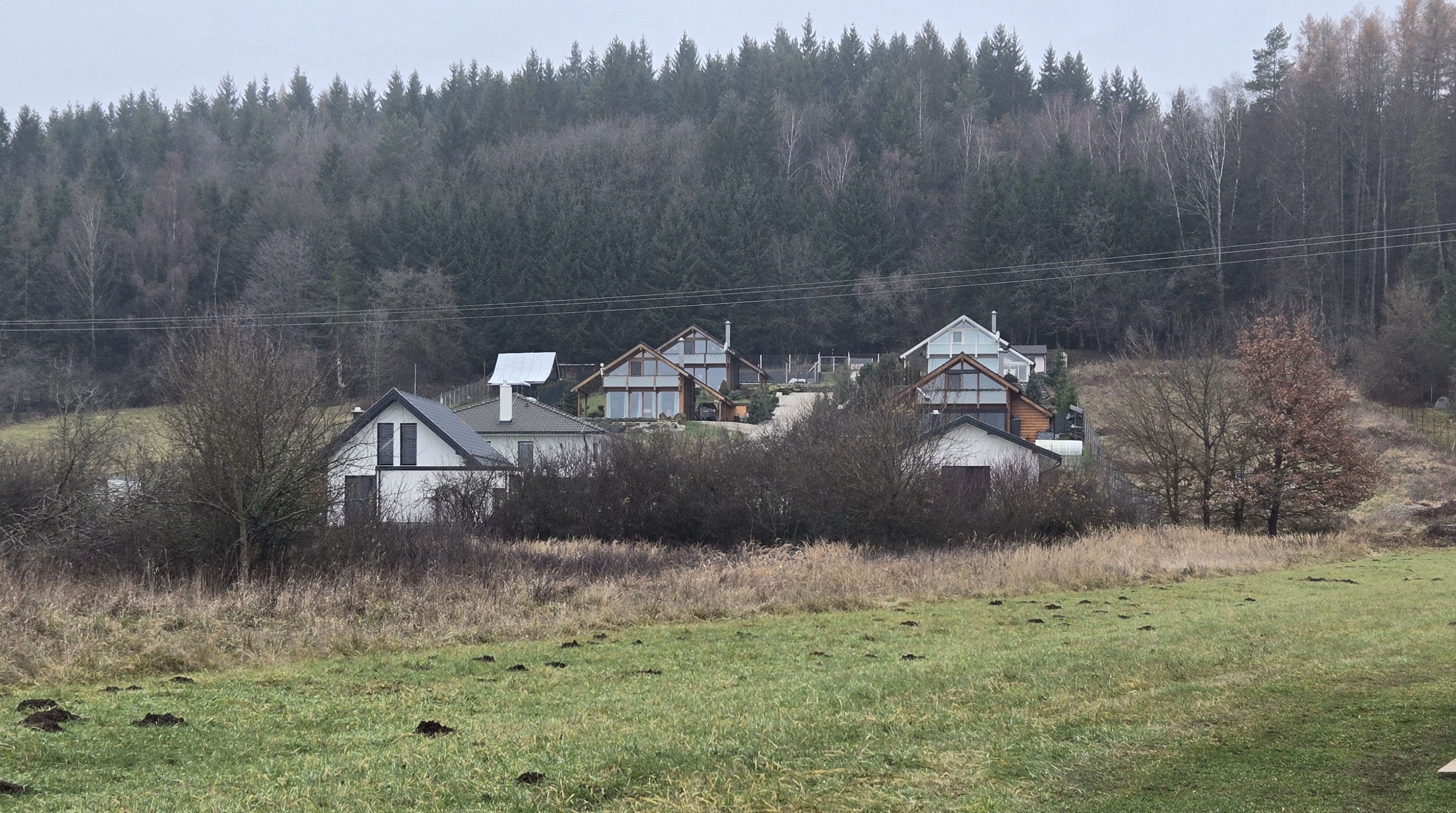
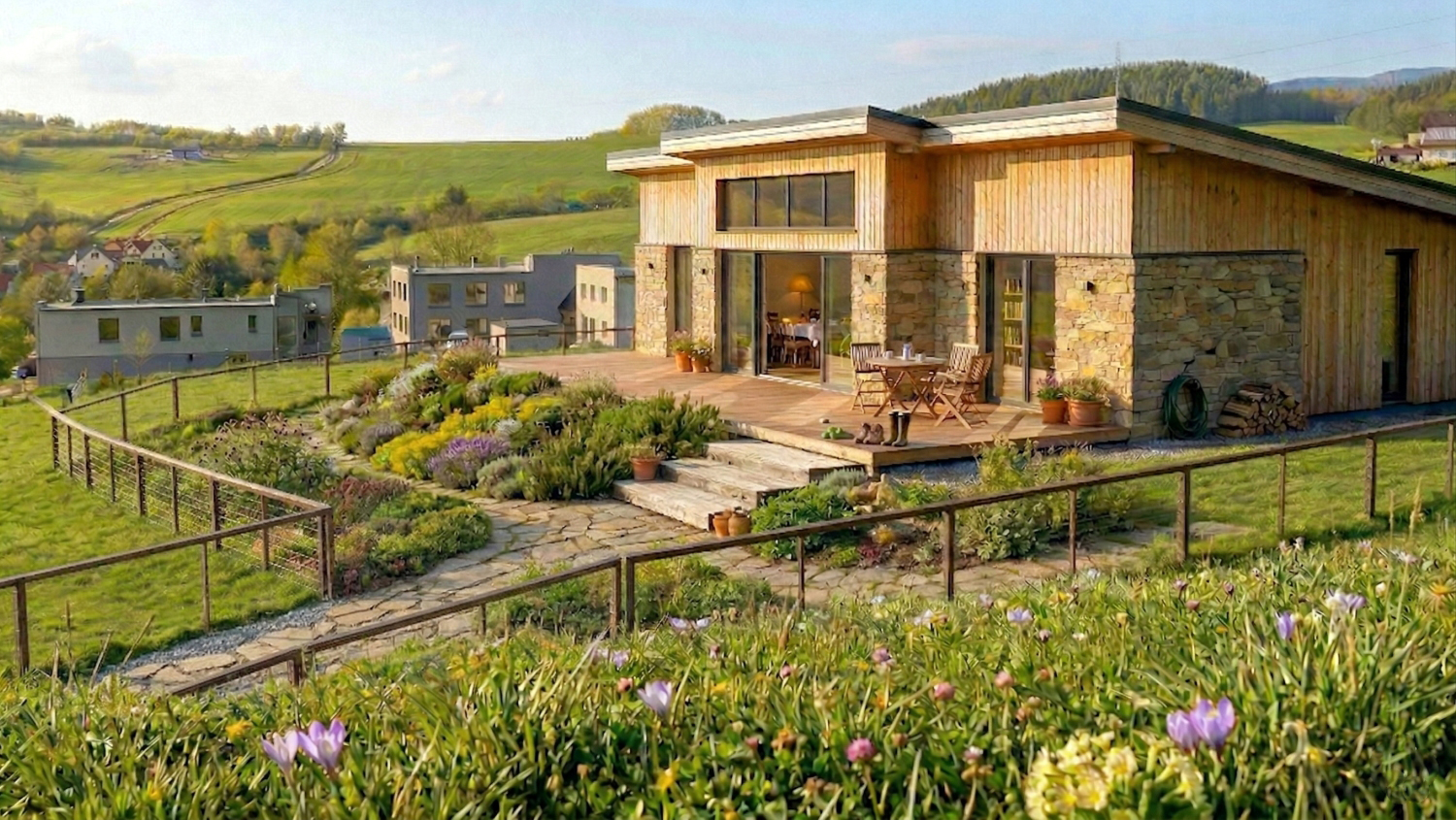
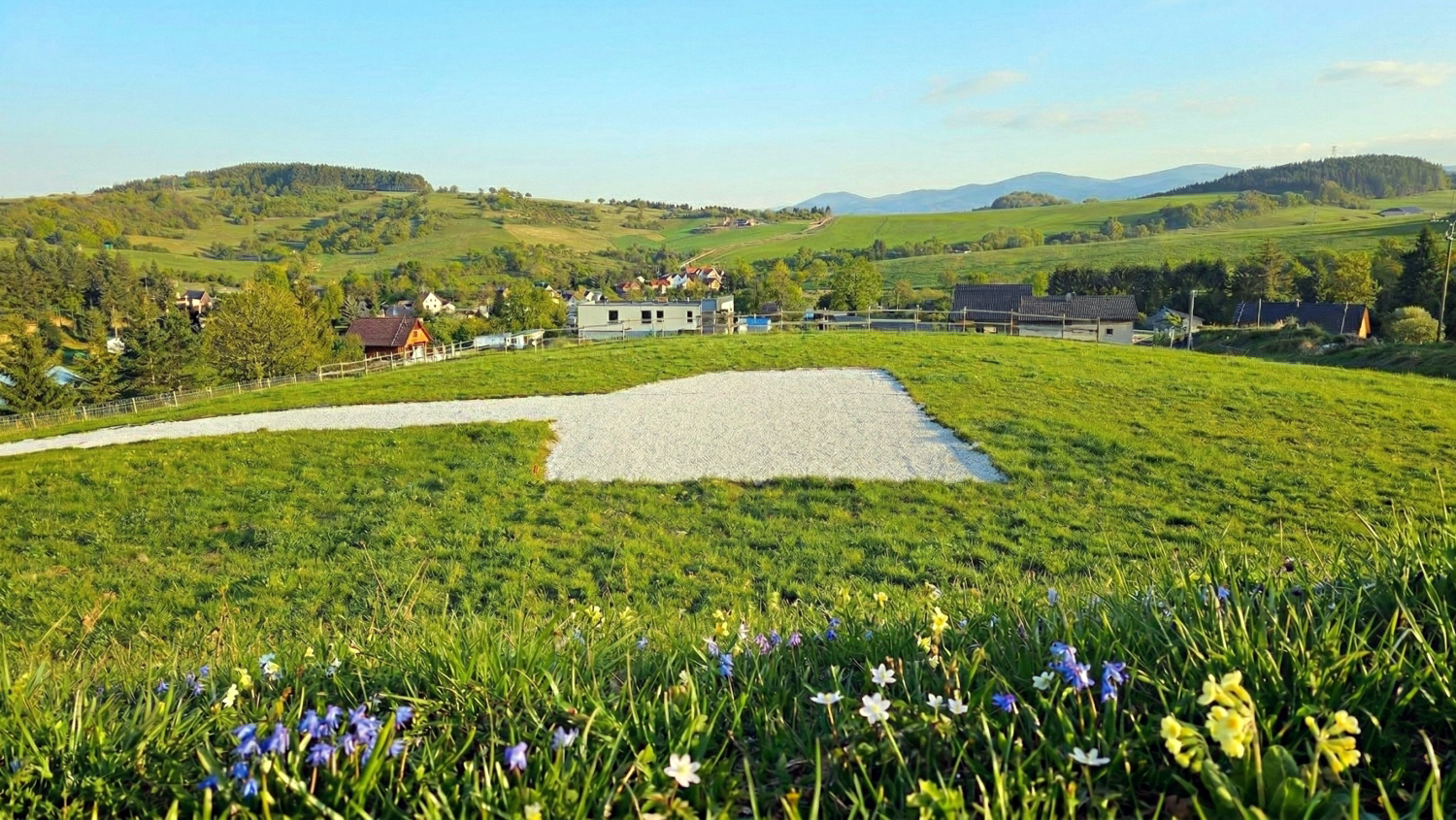
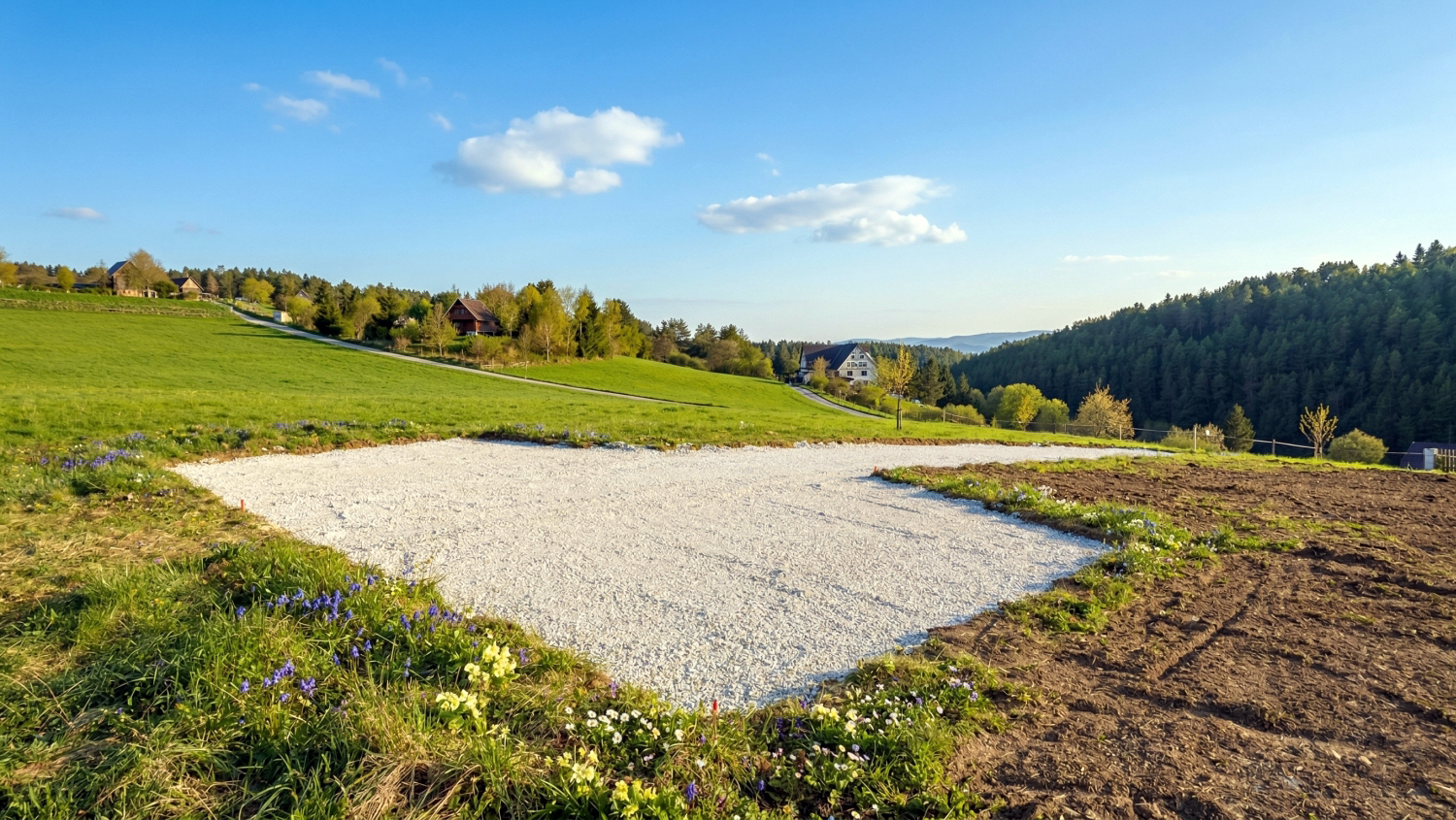
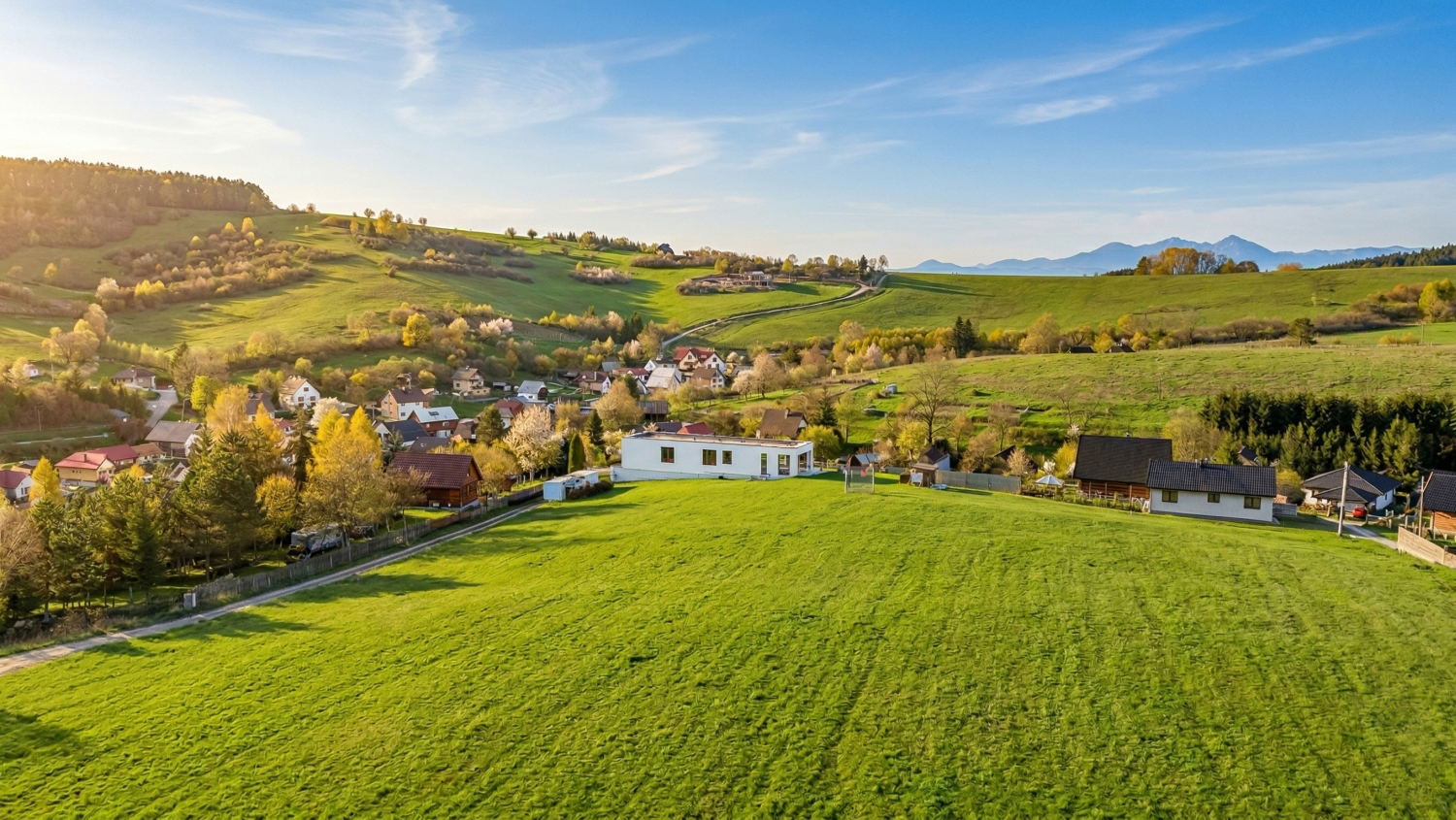
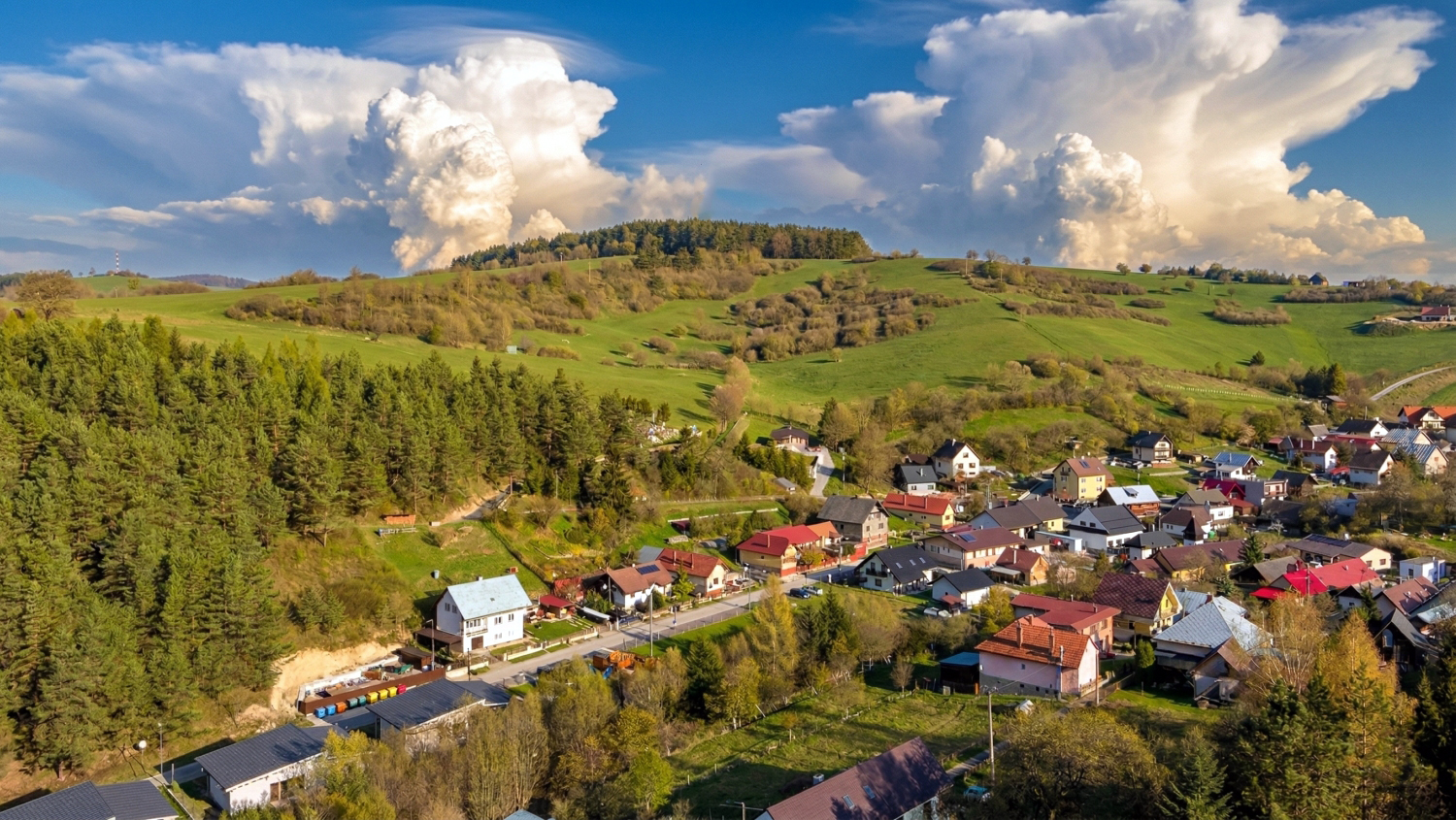
698 m² slnečnej parcely na konci príjazdovej cesty = žiadni náhodní okoloidúci, prirodzené súkromie. Mierne svahovitý terén pre dom s terasou a výhľadmi na prírodu, ktorá sa mení s každým ročným obdobím.
BONUS: Jedna zo 6 susediacich parciel. Môžete si vybrať susedov - ideálne pre rodiny či priateľov, ktorí chcú bývať blízko seba.

TECHNICKÉ ÚDAJE
Určené pre: rodinný dom | Rozloha: 698 m² | Rozmery: cca 32 × 22 m (nepravidelný tvar) Inžinierske siete: voda a elektrina pri pozemku

LOKALITA, KTORÁ MILO PREKVAPÍ
Obec Peklina, vsadená do prostredia Súľovských vrchov s hradnými zrúcaninami, turistickými chodníkmi a pokojom, aký mesto nedá. Žilina do 15 minút, výjazd na D1 (smery BA - KE - CA) do 5 minút. Pravidelné autobusové spoje k dispozícii.

Cena pozemku č. 3: 73.600 €
Viac informácií a termín obhliadky u makléra
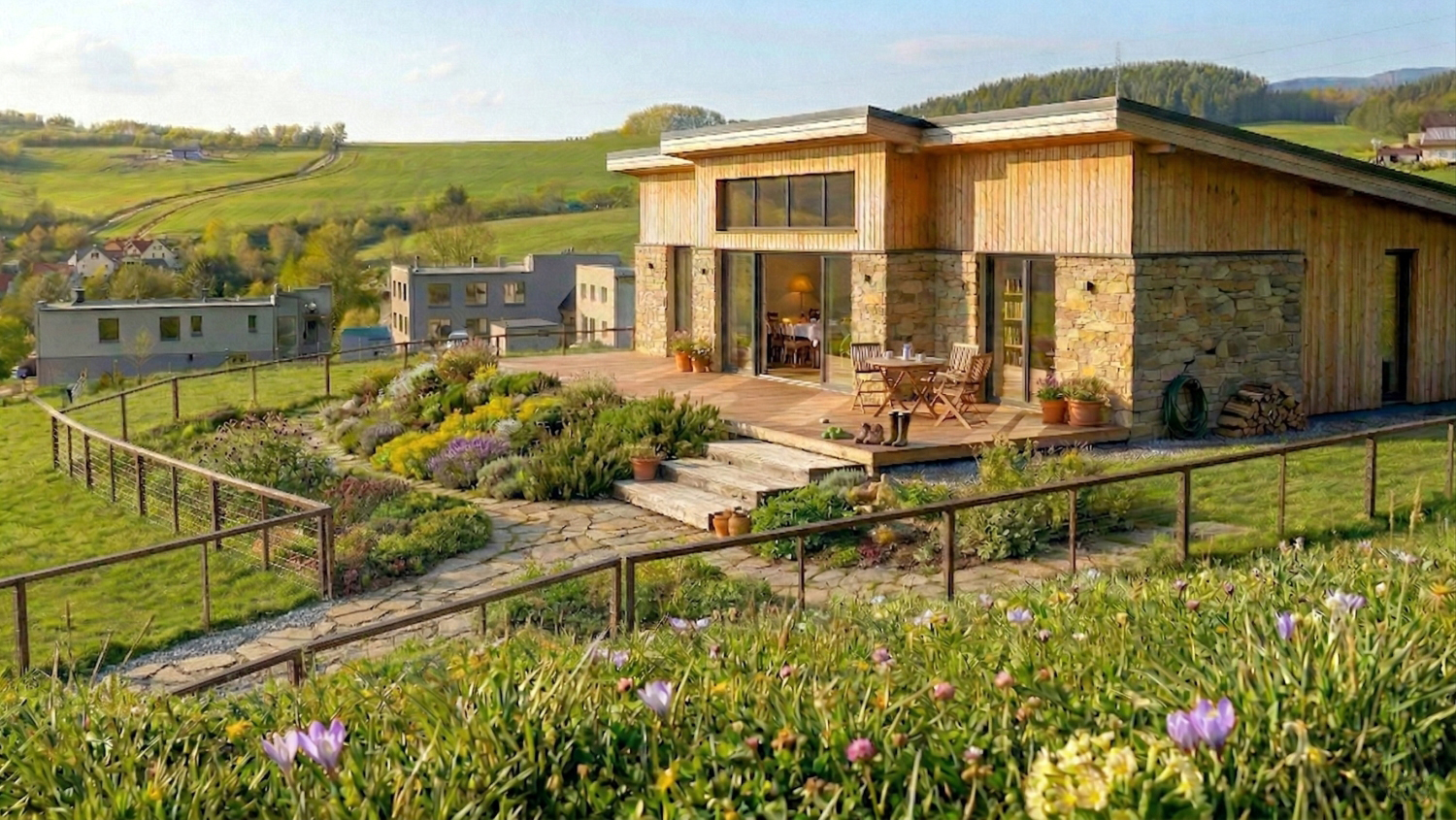
Súčasťou ponuky je vizualizácia - pre vašu inšpiráciu, ako by mohol vyzerať dom na pozemku


Nájdete na stránke realityMGM.sk pod ID ZA016279.
Call centrum tel: 0910 86 11 86.


Price
Type of property Lands
Advert Category Sale
Property status
Floor area 698 m2
County Trenčiansky kraj
District Považská Bystrica
Town Považská Bystrica


Slovakia

Slovakia's roots can be traced to the 9th century state of Great Moravia. Subsequently, the Slovaks became part of the Hungarian Kingdom, where they remained for the next 1,000 years. Following the formation of the dual Austro-Hungarian monarchy in 1867, language and education policies favoring the use of Hungarian (Magyarization) resulted in a strengthening of Slovak nationalism and a cultivation of cultural ties with the closely related Czechs, who were under Austrian rule. After the dissolution of the Austro-Hungarian Empire at the close of World War I, the Slovaks joined the Czechs to form Czechoslovakia. During the interwar period, Slovak nationalist leaders pushed for autonomy within Czechoslovakia, and in 1939 Slovakia became an independent state allied with Nazi Germany. Following World War II, Czechoslovakia was reconstituted and came under communist rule within Soviet-dominated Eastern Europe. In 1968, an invasion by Warsaw Pact troops ended the efforts of the country's leaders to liberalize communist rule and create "socialism with a human face," ushering in a period of repression known as "normalization." The peaceful "Velvet Revolution" swept the Communist Party from power at the end of 1989 and inaugurated a return to democratic rule and a market economy. On 1 January 1993, the country underwent a nonviolent "velvet divorce" into its two national components, Slovakia and the Czech Republic. Slovakia joined both NATO and the EU in the spring of 2004 and the euro zone on 1 January 2009.

Location: Central Europe, south of Poland

Geographic coordinates: 48 40 N, 19 30 E
 
  total: 49,035 sq km
  land: 48,105 sq km
  water: 930 sq km
  country comparison to the world: 131
 
  total: 1,611 km
  border countries (5): Austria 105 km, Czech Republic 241 km, Hungary 627 km, Poland 541 km, Ukraine 97 km
  temperate; cool summers; cold, cloudy, humid winters
 rugged mountains in the central and northern part and lowlands in the south
  lowest point: Bodrok River 94 m
  highest point: Gerlachovsky Stit 2,655 m
  agricultural land: 40.1%
  arable land 28.9%; permanent crops 0.4%; permanent pasture 10.8%
  forest: 40.2%
  other: 19.7% (2011 est.)